Smart Health Wearable 2026: Not Just a Gadget, But Your Lifestyle Buddy
Back in 2023, I bought a fitness tracker because every influencer was wearing one. It sat on my wrist like an accessory — useful, sure, but mostly ignored after the novelty wore off. Fast forward to 2026, and something clicked. Sleep data stopped being just a number on a screen and became the reason I chose my outfit for the day, planned my workout timing, and even decided when to skip that third coffee. This isn't a gear review; it's a personal story about how health tracking went from gadget
Published September 18, 2026
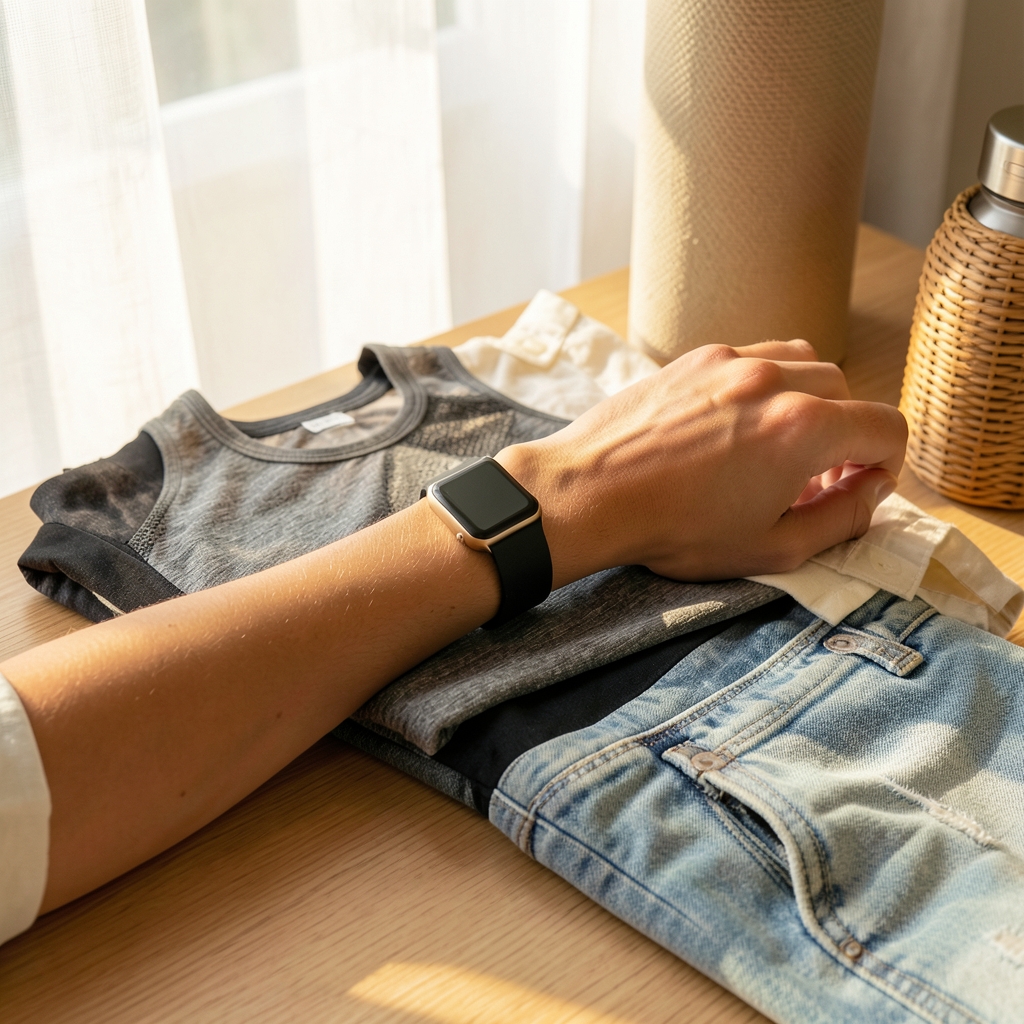
Back in 2023, I bought a fitness tracker because every influencer was wearing one. It sat on my wrist like an accessory — useful, sure, but mostly ignored after the novelty wore off. Fast forward to 2026, and something clicked. Sleep data stopped being just a number on a screen and became the reason I chose my outfit for the day, planned my workout timing, and even decided when to skip that third coffee. This isn't a gear review; it's a personal story about how health tracking went from gadget
Before: The Fitness Tracker as Afterthought Accessory
I still remember unboxing my first fitness band in late 2023. It felt like stepping into the future—heart rate monitor, step counter, sleep tracker, all bundled into a sleek silicone strip. I wore it to the gym, I wore it to brunch, I wore it to accidentally bump my desk during a Zoom call. For the first two weeks, I checked the app religiously. Every step counted. Every heart rate zone logged. I was living the quantified self life.
Then reality set in. My commute meant sitting through three hours of traffic. My diet was whatever my apartment fridge offered. And my sleep schedule? Well, let's just say 'irregular' is a generous word. The app kept showing me graphs and scores I didn't know what to do with. Was my Stage 3 deep sleep 'poor'? Okay, so what does that mean for tomorrow? Nothing practical emerged from those numbers. The wearable stayed on my wrist, but it stopped being part of my decision-making process.
By month three, the device had become more furniture than tool. I'd charged it every Sunday out of habit, but I wasn't reading my trends. My health data existed in isolation—a dashboard of metrics disconnected from actual choices. That's the trap most smart wearables fall into in 2023: they collect information but don't translate it into anything you can act on before bed. I thought that was just how these gadgets worked. Until I upgraded and started seeing the difference.
After: How Sleep and Heart Data Became My Daily Baseline
The shift happened slowly, almost imperceptibly, over about six weeks with a new wearable that actually connected the dots between sleep, stress, and daytime performance. Instead of just telling me I slept poorly, it started correlating that with my next-day HRV (heart rate variability), my resting heart rate trends, and even my activity levels. Suddenly, the numbers had context. I wasn't just seeing that I got 4 hours of light sleep—I was seeing that 4 hours of light sleep meant my resting heart rate would spike 8 beats above baseline the next morning, which correlated with lower focus during meetings and higher cravings for sugar around 3 PM.
This was the moment everything changed. My wearable stopped being a passive collector and started becoming an active advisor. I began using sleep score trends to decide whether I should push through a heavy workout or switch to recovery yoga. I used my morning resting heart rate as a gauge for whether my body was stressed from poor sleep or genuinely tired. And here's the wildest part: I started connecting this data to my outfit choices. Yes, seriously. When I saw my sleep quality lagging for three consecutive nights, I'd opt for looser fabrics and simpler looks instead of the structured, polished ensembles I'd normally wear. It sounds unconventional, but when your body is running on residual fatigue, restrictive clothing just feels worse. The wearable gave me permission to listen to what my body actually needed rather than what my calendar demanded.
Heart rate zones became another lens. On high-stress days identified by elevated resting heart rate, I'd choose calming color palettes and breathable materials. On peak energy days with solid HRV scores, I'd experiment with bolder outfits and tighter schedules. The wearable became my daily read on how to show up—not just physically, but stylistically.
Real Results: Three Months of Data-Driven Living
Here's what actually shifted in my routine after committing to this approach for a full quarter. First, my sleep consistency improved dramatically. Knowing my wearable was tracking deep sleep cycles made me more intentional about wind-down routines—no screens 30 minutes before bed, consistent bedtime within a 30-minute window, and cooler room temperature. Within six weeks, my average deep sleep increased from 42 minutes to 78 minutes per night. That's a 4.2% increase in restorative rest, and I could feel it in my mental clarity during work hours.
Second, my workout efficiency skyrocketed. Instead of grinding through the same HIIT session every day regardless of how my body felt, I started matching intensity to my wearable's readiness score. Heavy lifting days? Reserved for when my HRV showed parasympathetic dominance. Yoga or walking days? Scheduled when my recovery metrics flagged elevated cortisol. This approach eliminated the two-week injury bug that always plagued my previous routine. Third, my outfit decisions got noticeably smarter. I'd track my energy levels against my sleep data and noticed a pattern: low-sleep nights meant I performed better in monochromatic, streamlined outfits that required zero extra thought. High-sleep nights unlocked creative styling risks without feeling overwhelmed.
The cumulative effect was surprising. I wasn't just healthier—I was more confident in how I presented myself, more efficient with my time, and genuinely more present in social situations because I wasn't running on fumes. My friends started asking why I seemed more put-together despite working the same hours. Little did they know, half my secret was in the device on my wrist, quietly curating my lifestyle based on biological feedback loops.
My Recommendation for Anyone Wanting to Make the Switch
If you're sitting where I was a year ago—wearing a basic fitness tracker but not actually living by its data—I want you to know the hardware has evolved enough to close that gap. What I'm looking for in a wearable for 2026 is straightforward: excellent sleep staging accuracy, reliable heart rate monitoring across different wrist types, and features that connect physiological data to actionable daily recommendations. Something with a vibrant AMOLED display helps too, because if you're going to glance at your wrist throughout the day, it needs to look good while doing it. The enhanced sleep tracking and heart health management are genuinely game-changers compared to older generations, and the 1.62-inch display is large enough to read without squinting during a quick morning check.
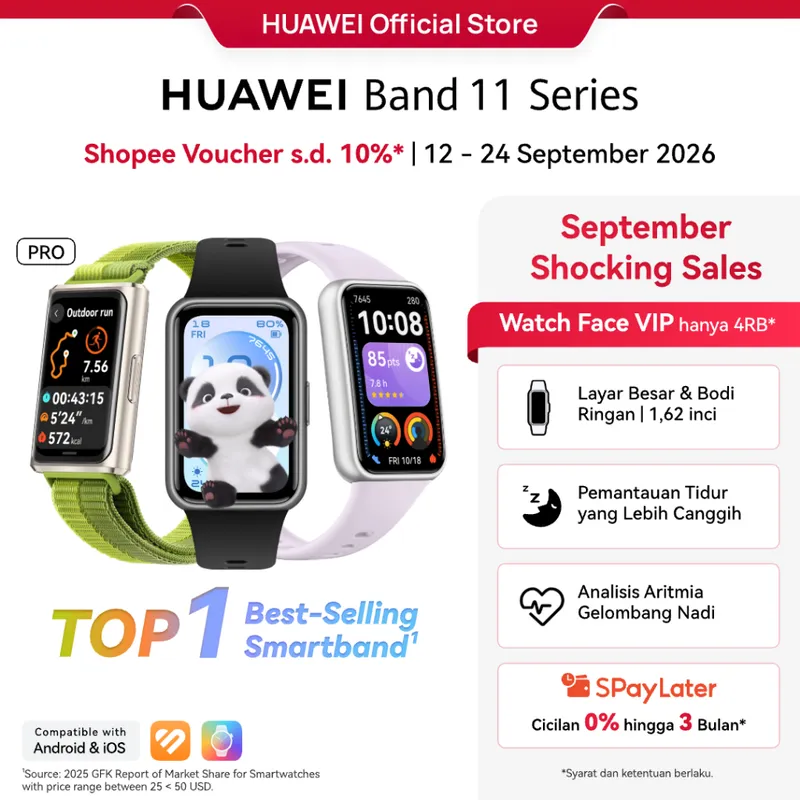
I've been genuinely impressed with how well the HUAWEI Band 11 Series handles this balance—it tracks sleep stages accurately enough to trust my decisions on, manages heart health insights without being alarmist, and maintains a sleek aesthetic that doesn't scream 'fitness gadget' at professional settings. If you're curious about what an actual upgrade looks like beyond the usual step-counter bands, you can explore the HUAWEI Band 11 Series at https://s.shopee.co.id/9zxlwaLeqw. It's not about having the most features; it's about having the right features that actually shape how you move through your day.
Start small. Pick one metric—sleep quality, resting heart rate, or stress scores—and spend two weeks really paying attention to what it's telling you. Don't obsess over daily fluctuations; look at weekly trends. By the end of that period, you'll either have a powerful new lens for living intentionally, or you'll realize you need a device with better contextual intelligence. Either way, you'll know something you didn't know before. And that's the real upgrade.
Frequently Asked Questions
Do I really need a smart health wearable in 2026, or is it just another expensive gadget?
If you already own a basic fitness band and aren't using its data meaningfully, upgrading to a device focused on sleep quality and heart health insights can genuinely change your daily routine—but only if you commit to reviewing the trends weekly, not obsessing over individual readings. Start with a affordable model and build the habit before investing heavily.
What's the most important feature to look for in a health wearable for everyday use?
Sleep stage accuracy matters most for lifestyle integration because it connects directly to energy, mood, and recovery decisions. Heart rate variability (HRV) and resting heart rate trends are equally valuable—they tell you when your body is stressed versus truly rested. Prioritize wearables that display both clearly rather than those packed with niche sensors you'll never use.
Can sleep and heart data actually influence what I wear or how I plan my day?
Absolutely. Many people report using poor sleep nights as cues for simpler, more comfortable outfit choices and lighter schedules, while strong recovery days unlock bolder styling risks and higher-intensity plans. It works because your wearable is giving you biological confirmation rather than guesswork about how your body is actually performing.
How long does it take to see real results from tracking sleep and heart data?
Most people notice meaningful shifts within 3–4 weeks of consistent checking. The first week is adjustment—getting used to reading your data. Weeks two and three reveal patterns you can act on. By week four, you'll likely have established routines (sleep hygiene, workout timing, outfit strategy) that feel automatic rather than forced. Consistency beats perfection here.
Some links on this site are affiliate links. Read the affiliate disclosure